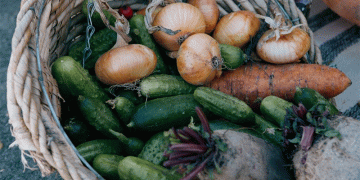




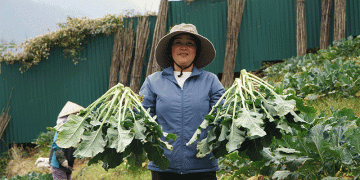

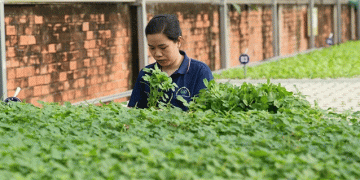




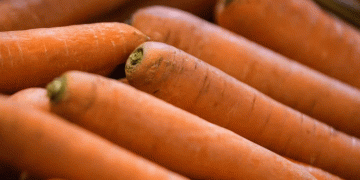

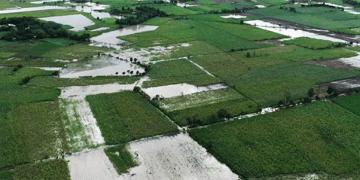

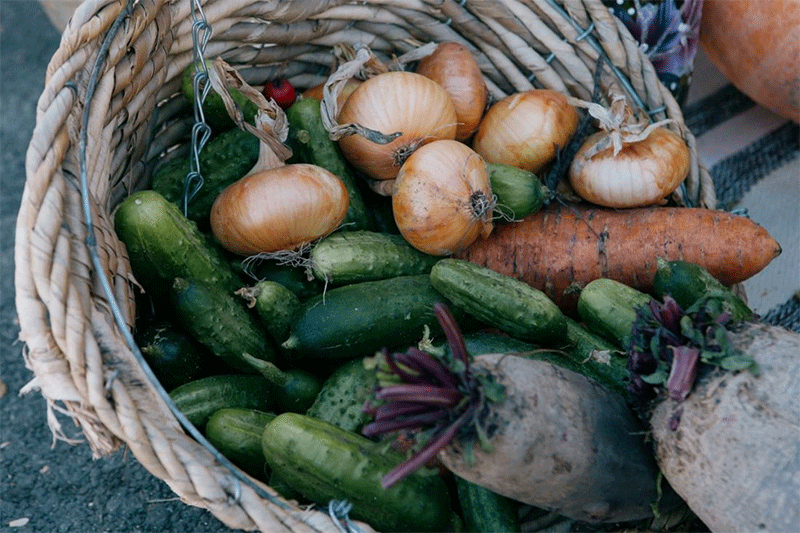
A remarkably productive agricultural season in Penza Oblast is delivering tangible benefits both to regional food security and consumer wallets. According to regional officials, the 2023 harvest has yielded a massive surplus, with key vegetable and grain outputs significantly exceeding local demand. This abundance is exerting a powerful downward pressure on retail prices for staple foods, particularly the classic “borscht set” of potatoes, cabbage, carrots, and onions.
The scale of production is exceptional. The gross harvest of potatoes reached 330,000 tons, while other vegetables totaled 94,000 tons. Officials state these volumes are double the region’s own consumption needs. The grain and legume sector performed equally strongly, with a harvest of 3.47 million tons at an average yield of 4.14 tons per hectare (41.4 centners/ha), representing an increase of 800,000 tons over the previous year.
This supply surplus has a direct and measurable effect on the market. Monitoring data ranks Penza Oblast as a leader in affordability within the Volga Federal District: first in onion prices, second for cabbage, and fourth for both potatoes and carrots. Current average consumer prices in the region reflect this:
- Potatoes: 18.90 RUB/kg
- Cabbage: 19.90 RUB/kg
- Carrots: 19.90 RUB/kg
- Onions: 25.90 RUB/kg
This trend extends beyond vegetables, with the region also recording the district’s lowest prices for other socially significant goods like mutton, chicken eggs, and pasta. The situation underscores a classic economic principle, as noted by officials: seasonal price declines during harvest are often followed by adjustments upwards due to storage and logistics costs.
The case of Penza Oblast demonstrates the powerful, localized impact of a single productive season. For farmers and agronomists, the record yields highlight the region’s agronomic potential and efficient practices. For agricultural engineers and scientists, it underscores the importance of integrated systems that support high productivity and post-harvest management to maintain value. For farm owners and policymakers, it serves as a clear example of how targeted agricultural success can stabilize regional food security, influence inflation for essential goods, and provide a competitive economic advantage. The challenge now shifts to managing the surplus through storage, processing, and logistics to sustain consumer benefits beyond the immediate harvest period.