











• Latest
  • Trending
Bitter Gourd Farming; Karela Cultivation – A Full Guide

Bitter Gourd Farming; Karela Cultivation – A Full Guide

April 19, 2022
A Fly in the Ointment: Phytosanitary Interception Highlights Global Trade’s Insect Threat

A Fly in the Ointment: Phytosanitary Interception Highlights Global Trade’s Insect Threat

December 4, 2025
Benchmarking Success: Novgorod’s Carrot Harvest Reveals the Impact of Integrated Crop Management

Benchmarking Success: Novgorod’s Carrot Harvest Reveals the Impact of Integrated Crop Management

December 3, 2025
Harnessing Winter: A Strategic Guide to Fall-Seeded Carrots for Earlier Harvests and Higher Margins

Harnessing Winter: A Strategic Guide to Fall-Seeded Carrots for Earlier Harvests and Higher Margins

December 2, 2025
Beyond the Border: Navigating Phytosanitary Protocols for Fresh Produce Exports

Beyond the Border: Navigating Phytosanitary Protocols for Fresh Produce Exports

December 1, 2025
The Great Reshuffle: How Russia’s Ag Sector is Battling a 135% Surge in Job Vacancies

The Great Reshuffle: How Russia’s Ag Sector is Battling a 135% Surge in Job Vacancies

November 30, 2025
Grant Money in Action: How Chuvashia is Strategically Funding its Agricultural Future

Grant Money in Action: How Chuvashia is Strategically Funding its Agricultural Future

November 29, 2025
Cross-Border Agribusiness: Uzbekistan’s 500-Hectare Vegetable Venture in Bashkortostan

Cross-Border Agribusiness: Uzbekistan’s 500-Hectare Vegetable Venture in Bashkortostan

November 28, 2025
From Homestead to High-Tech: How Modern Greenhouses are Reshaping Kuban’s Agricultural Landscape

From Homestead to High-Tech: How Modern Greenhouses are Reshaping Kuban’s Agricultural Landscape

November 27, 2025
The Blueprint for a Crore: How Diversification, Leasing, and Value Addition Built a Farming Empire from 3 Acres

The Blueprint for a Crore: How Diversification, Leasing, and Value Addition Built a Farming Empire from 3 Acres

November 26, 2025
Beyond the Field: How Standardized Farm Data is Becoming the New Currency of Resilience

Beyond the Field: How Standardized Farm Data is Becoming the New Currency of Resilience

November 25, 2025
The Perfect Storm: Record Imports and Soaring Costs Push Potato Farmers to the Brink

The Perfect Storm: Record Imports and Soaring Costs Push Potato Farmers to the Brink

November 24, 2025
Bridging the Innovation Gap: Why Government-Backed Seminars are Key to Unlocking Tech for Every Farmer

Bridging the Innovation Gap: Why Government-Backed Seminars are Key to Unlocking Tech for Every Farmer

November 23, 2025
  • Company
Thursday, December 4, 2025
Vegetables News
  • NEWS
    A Fly in the Ointment: Phytosanitary Interception Highlights Global Trade’s Insect Threat

    A Fly in the Ointment: Phytosanitary Interception Highlights Global Trade’s Insect Threat

    Benchmarking Success: Novgorod’s Carrot Harvest Reveals the Impact of Integrated Crop Management

    Benchmarking Success: Novgorod’s Carrot Harvest Reveals the Impact of Integrated Crop Management

    Harnessing Winter: A Strategic Guide to Fall-Seeded Carrots for Earlier Harvests and Higher Margins

    Harnessing Winter: A Strategic Guide to Fall-Seeded Carrots for Earlier Harvests and Higher Margins

    Beyond the Border: Navigating Phytosanitary Protocols for Fresh Produce Exports

    Beyond the Border: Navigating Phytosanitary Protocols for Fresh Produce Exports

    The Great Reshuffle: How Russia’s Ag Sector is Battling a 135% Surge in Job Vacancies

    The Great Reshuffle: How Russia’s Ag Sector is Battling a 135% Surge in Job Vacancies

    Grant Money in Action: How Chuvashia is Strategically Funding its Agricultural Future

    Grant Money in Action: How Chuvashia is Strategically Funding its Agricultural Future

    Cross-Border Agribusiness: Uzbekistan’s 500-Hectare Vegetable Venture in Bashkortostan

    Cross-Border Agribusiness: Uzbekistan’s 500-Hectare Vegetable Venture in Bashkortostan

    From Homestead to High-Tech: How Modern Greenhouses are Reshaping Kuban’s Agricultural Landscape

    From Homestead to High-Tech: How Modern Greenhouses are Reshaping Kuban’s Agricultural Landscape

    The Blueprint for a Crore: How Diversification, Leasing, and Value Addition Built a Farming Empire from 3 Acres

    The Blueprint for a Crore: How Diversification, Leasing, and Value Addition Built a Farming Empire from 3 Acres

  • AGROTECHNOLOGY
    • All
    • Climate
    • Crop protection
    • digital (smart)
    • dron
    • Fertilizer
    • Research
    • weed
    The Great Reshuffle: How Russia’s Ag Sector is Battling a 135% Surge in Job Vacancies

    The Great Reshuffle: How Russia’s Ag Sector is Battling a 135% Surge in Job Vacancies

    The ROI of Ag-Drones: How Precision Spraying is Paying for Itself in a Single Season

    The ROI of Ag-Drones: How Precision Spraying is Paying for Itself in a Single Season

    After the Storm: Quantifying Typhoon Tino’s Blow to Negros Agriculture and Infrastructure

    After the Storm: Quantifying Typhoon Tino’s Blow to Negros Agriculture and Infrastructure

    The One-Pass Revolution: How Korean Cooperatives are Driving Down Garlic Production Costs

    The One-Pass Revolution: How Korean Cooperatives are Driving Down Garlic Production Costs

    From Grant to Garlic Gold: A Case Study in Niche Crop Profitability in Northern Climates

    From Grant to Garlic Gold: A Case Study in Niche Crop Profitability in Northern Climates

    Sowing Certainty, Reaping Risk: The High Stakes of Seed Integrity and Genetic Purity

    Sowing Certainty, Reaping Risk: The High Stakes of Seed Integrity and Genetic Purity

    The Double Blow: Analyzing the Systemic Risks Behind a Pumpkin Crop Collapse

    The Double Blow: Analyzing the Systemic Risks Behind a Pumpkin Crop Collapse

    The Water Spinach Specialist: A Blueprint for High-Value Specialty Crops and Cooperative Success

    The Water Spinach Specialist: A Blueprint for High-Value Specialty Crops and Cooperative Success

    Weathering the Storm: How Vietnamese Farmers and Traders Collaborate to Stabilize the Greens Market

    Weathering the Storm: How Vietnamese Farmers and Traders Collaborate to Stabilize the Greens Market

  • IRRIGATION
  • SEED PRODUCTION
    • Vegetables
    • Fruit
  • PROCESSING
No Result
View All Result
  • NEWS
    A Fly in the Ointment: Phytosanitary Interception Highlights Global Trade’s Insect Threat

    A Fly in the Ointment: Phytosanitary Interception Highlights Global Trade’s Insect Threat

    Benchmarking Success: Novgorod’s Carrot Harvest Reveals the Impact of Integrated Crop Management

    Benchmarking Success: Novgorod’s Carrot Harvest Reveals the Impact of Integrated Crop Management

    Harnessing Winter: A Strategic Guide to Fall-Seeded Carrots for Earlier Harvests and Higher Margins

    Harnessing Winter: A Strategic Guide to Fall-Seeded Carrots for Earlier Harvests and Higher Margins

    Beyond the Border: Navigating Phytosanitary Protocols for Fresh Produce Exports

    Beyond the Border: Navigating Phytosanitary Protocols for Fresh Produce Exports

    The Great Reshuffle: How Russia’s Ag Sector is Battling a 135% Surge in Job Vacancies

    The Great Reshuffle: How Russia’s Ag Sector is Battling a 135% Surge in Job Vacancies

    Grant Money in Action: How Chuvashia is Strategically Funding its Agricultural Future

    Grant Money in Action: How Chuvashia is Strategically Funding its Agricultural Future

    Cross-Border Agribusiness: Uzbekistan’s 500-Hectare Vegetable Venture in Bashkortostan

    Cross-Border Agribusiness: Uzbekistan’s 500-Hectare Vegetable Venture in Bashkortostan

    From Homestead to High-Tech: How Modern Greenhouses are Reshaping Kuban’s Agricultural Landscape

    From Homestead to High-Tech: How Modern Greenhouses are Reshaping Kuban’s Agricultural Landscape

    The Blueprint for a Crore: How Diversification, Leasing, and Value Addition Built a Farming Empire from 3 Acres

    The Blueprint for a Crore: How Diversification, Leasing, and Value Addition Built a Farming Empire from 3 Acres

  • AGROTECHNOLOGY
    • All
    • Climate
    • Crop protection
    • digital (smart)
    • dron
    • Fertilizer
    • Research
    • weed
    The Great Reshuffle: How Russia’s Ag Sector is Battling a 135% Surge in Job Vacancies

    The Great Reshuffle: How Russia’s Ag Sector is Battling a 135% Surge in Job Vacancies

    The ROI of Ag-Drones: How Precision Spraying is Paying for Itself in a Single Season

    The ROI of Ag-Drones: How Precision Spraying is Paying for Itself in a Single Season

    After the Storm: Quantifying Typhoon Tino’s Blow to Negros Agriculture and Infrastructure

    After the Storm: Quantifying Typhoon Tino’s Blow to Negros Agriculture and Infrastructure

    The One-Pass Revolution: How Korean Cooperatives are Driving Down Garlic Production Costs

    The One-Pass Revolution: How Korean Cooperatives are Driving Down Garlic Production Costs

    From Grant to Garlic Gold: A Case Study in Niche Crop Profitability in Northern Climates

    From Grant to Garlic Gold: A Case Study in Niche Crop Profitability in Northern Climates

    Sowing Certainty, Reaping Risk: The High Stakes of Seed Integrity and Genetic Purity

    Sowing Certainty, Reaping Risk: The High Stakes of Seed Integrity and Genetic Purity

    The Double Blow: Analyzing the Systemic Risks Behind a Pumpkin Crop Collapse

    The Double Blow: Analyzing the Systemic Risks Behind a Pumpkin Crop Collapse

    The Water Spinach Specialist: A Blueprint for High-Value Specialty Crops and Cooperative Success

    The Water Spinach Specialist: A Blueprint for High-Value Specialty Crops and Cooperative Success

    Weathering the Storm: How Vietnamese Farmers and Traders Collaborate to Stabilize the Greens Market

    Weathering the Storm: How Vietnamese Farmers and Traders Collaborate to Stabilize the Greens Market

  • IRRIGATION
  • SEED PRODUCTION
    • Vegetables
    • Fruit
  • PROCESSING
No Result
View All Result
Vegetables News
Home AGROTECHNOLOGY

Bitter Gourd Farming; Karela Cultivation – A Full Guide

by Natalya Jolie femme
April 19, 2022
in AGROTECHNOLOGY
0
Bitter Gourd Farming; Karela Cultivation – A Full Guide

Bitter Gourd Farming Information Guide:

Today, let us discuss the topic of bitter gourd farming techniques, tips, and ideas along with cultivation practices of Karela.

Bitter Gourd Farming
Bitter Gourd Farming.

Introduction to Bitter Gourd:

Botanical Name is: Momordica charantia L. and the local name areKarela – Hindi; Karli – Gujarati & Marathi, Paval, Kakara-Telugu. Bitter Gourd also knows as Bitter melon on other parts of the world. Bitter gourd is one of the most popular vegetables in India. It is grown extensively throughout India; the bitter gourd has good medicinal value as well.https://imasdk.googleapis.com/js/core/bridge3.510.1_ru.html#goog_1029110836https://imasdk.googleapis.com/js/core/bridge3.510.1_ru.html#goog_1029110838https://imasdk.googleapis.com/js/core/bridge3.510.1_ru.html#goog_1029110840https://imasdk.googleapis.com/js/core/bridge3.510.1_ru.html#goog_1029110842https://imasdk.googleapis.com/js/core/bridge3.510.1_ru.html#goog_1029110844

Varieties of Bitter Gourd in India: 

Co 1, MDU 1, COBgoH 1 (Hybrid), Arka Harit, Priya, and Preethi are mainly cultivated.
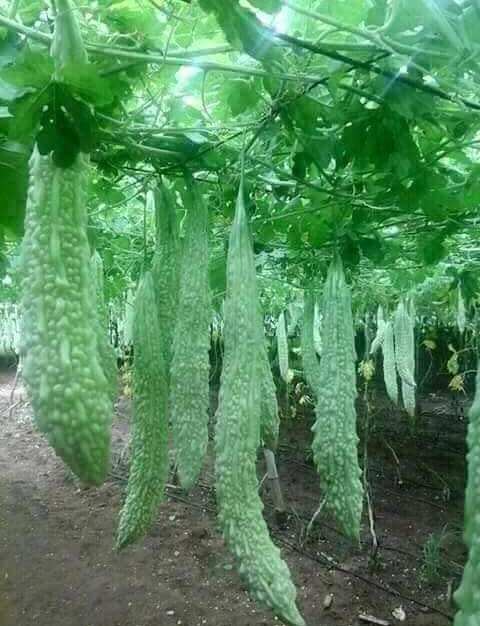
A White Bitter Gourd.

The climate requirement for Bitter Gourd Production:

Mainly a warm season plant, bitter gourd thrives in hot and humid climates.

Best Soil for Bitter Gourd Farming:

The best medium for the seeds is a fertile, well-drained soil with a pH ranging from 5.5 to 6.7, enriched with organic matter, such as compost or dried manure. But it will tolerate any soil that provides a good drainage system (sandy loam soil, but it will grow in areas with poorer soils.) It should be in a frost-free area and will prefer the climate with daytime temperatures between 24°C and 35°C. The soil must be prepared well by adding organic matter before planting. Seeds soaked in water will germinate sooner. Soil temperature for germination is at least 20°C to 25°C

Read: Types of Land Preparation.

Propagation of Bitter Gourd:

Propagation is through direct seeding and transplanting.
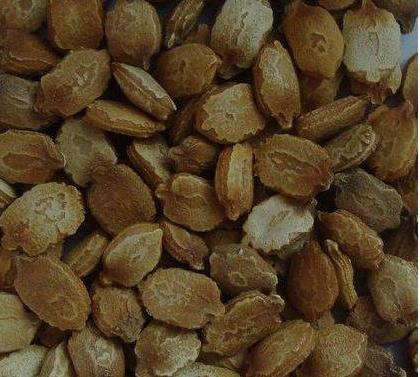
Bitter Gourd Seeds
Bitter Gourd Seeds

Preparation of Land for Bitter Gourd Plantation:

Plow the field to a fine tilth and dig pits of 30cm x 30cm x 30cm size at 2 x 1.5m spacing and form basins.

Time of Sowing and Seed Rate of Bitter Gourd:

The seed is sown from January to March for summer season crop, June-July for rainy season crop in the plains and March to June in the hills. The seed rate is 4 to 5 kg/ha.

Sowing Method of Bitter Gourd:

The seed is sown by dibbling method at a spacing of 120×90 cm. Generally, three to four seeds are sown in a pit at 2.5 to 3.0 cm depth. The seeds are soaked in water overnight before sowing for better germination. Seed germination was enhanced by soaking the seeds for 24 hours in a solution of 25 to 50 ppm GA and 25 ppm boron. In flatbed, layout seeds are dibbled at the spacing 1-meter x 1 meter.

Read: Polyhouse Training in India.
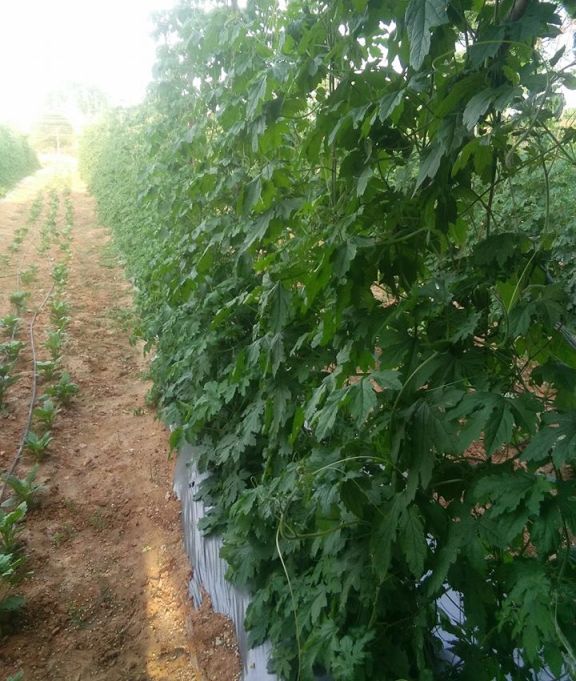
Plant vines.
Plant vines.

Pollinating of Bitter Gourd:

While vines are blooming over a six month period, Bitter Melon needs insects such as honeybees to carry out the pollinating process for setting fruits. If the insects are not available in your area, the pollinating process can be done manually, by picking up male flowers and transferring pollens (face-to-face touching the center part of flowers) to female flowers. Female flowers have a fat section between the flower and vine stem. This process should be carried out when flowering is active during the daytime. If the pollination is a success, the fat portion will grow into full-size fruit.

Irrigation requirement for Bitter Gourd Plantation:

Bitter Gourd Plants with Drip.

Irrigate the basins before dibbling the seeds and thereafter once a week. Install a drip system with main and sub-main pipes and place the inline lateral tubes at an interval of 1.5m. Place the drippers in lateral tubes at an interval of 60 cm and 50 cm spacing with 4LPH and 3.5 LPH capacities respectively.

Read: Hydroponic Training in India.
Weed Control Plants.

Weed Control in Bitter Gourd Farming:

After cultivation Hoeing is done thrice to control weeds. Provide stakes to reach the pandal (2 m).  Spray Ethrel 100 ppm (1 ml dissolved in 10 lit of water) four times from 15th day after sowing at weekly intervals.

Diseases and Pests of Bitter Gourd Plants:

Like other cucurbits, Bitter Gourd vines are susceptible to several insect pests and diseases like:

  • Mites: Spray dicofol 18.5 % SC @ 2.5 ml per liter of water.
  • Aphid: Spray Imidachloprid @ 0.5 ml/lit along with sufficient quantity of stickers like Teepol, triton X100, apsa, etc., for better adhesion and coverage.
  • Beetles, fruit flies, and caterpillars: Beetles, fruit flies, and caterpillars can be controlled by spraying Malathion 50 EC 1 ml/lit or Dimethoate 30 EC 1 ml/lit or Methyl demeton 25 EC 1ml/lit.
  • Powdery mildew: Powdery mildew can be controlled by spraying Dinocap 1 ml/lit or Carbendazim 0.5 g/lit.
  • Downy mildew: Downy mildew can be controlled by spraying Mancozeb or Chlorothalonil 2 g/lit twice at 10 days interval.

Manure and Fertilizers requirement for Bitter Gourd Plants:

Apply 10 kg of FYM per pit (20 t/ha) 100 grams of NPK 6:12:12/pit as basal and 10 grams of N/pit 30 days after sowing. Apply Azospirillum and Phosphobacteria 2 kg/ha and Pseudomonas @ 2.5 kg/ha along with FYM 50 kg and neem cake @ 100 kg before the last plowing.

Read: Kodo Millet Farming Guide.

Harvesting and Yield of Bitter Gourd:

Harvesting is done when the fruits are still young and tender at every alternate day. Picking should be done carefully so that the vine may not be damaged. The fruits should not be allowed to mature on the vines. The harvested fruits may be stored for 3 to 4 days of in-cool condition. The yield is 60 to 100 quintal/ha.
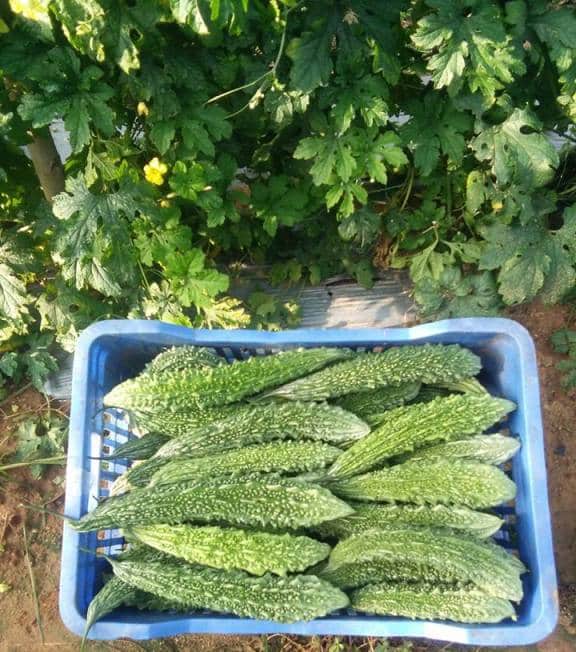
Harvested Bitter Gourd
Harvested Bitter Gourd.

Seed Production of Bitter Gourd:

Some vines should be left in the field to produce gourds for seed. Seeds continue to mature inside the gourd even after harvest. The seed that is sorted, washed and stored in a cool, dry spot, will remain viable for 2-3 years.

Leave some fruits to reach full maturity if they have to be reserved for subsequent crops. When fully mature, the fruits will break open on their own and release brown or white seeds which can be collected.

Marketing of Bitter Gourds:

Bitter Gourd can be transported to local vegetable markets or some herbal companies directly.

Bottom Line of Growing Bitter Gourds:

Regular consumption of bitter gourd results in a healthy lifestyle as it has lots of health benefits. Bitter Gourd Farming really makes you profitable.

Tags: Bitter Gourd Farming Information
Previous Post

Capsicum Farming (Colored), Bell Pepper Cultivation Tips

Next Post

Carrot Farming (Organic), Techniques, Tips and Ideas

Next Post
Carrot Farming (Organic), Techniques, Tips and Ideas

Carrot Farming (Organic), Techniques, Tips and Ideas

  • Home
  • Privacy Policy
  • Privacy Policy of vegetables.news app

© 2020-2024 VEGETABLES NEWS

No Result
View All Result
  • NEWS
  • AGROTECHNOLOGY
  • IRRIGATION
  • SEED PRODUCTION
    • Vegetables
    • Fruit
  • PROCESSING

© 2020-2024 VEGETABLES NEWS